October 30, 2026
Scott T. Collins Victorious in Collins v Clallam County et al,
The Federal District Count Of Tacoma handed Scott T. Collins a tremendous victory October 16 2026 finding that The Clallam County District Court Clerk, Defendant Nicole Chaney, had indeed clearly violated The Constitutional Rights of Collins and on multiple Counts.
A low level records clerk, such as Chaney, with an overly inflated view of herself and of her authority, can’t just run around and arbitrarily have security eject a peaceful citizen from a Govt Building just because she feels like it if a citizen says things she, doesn’t like.
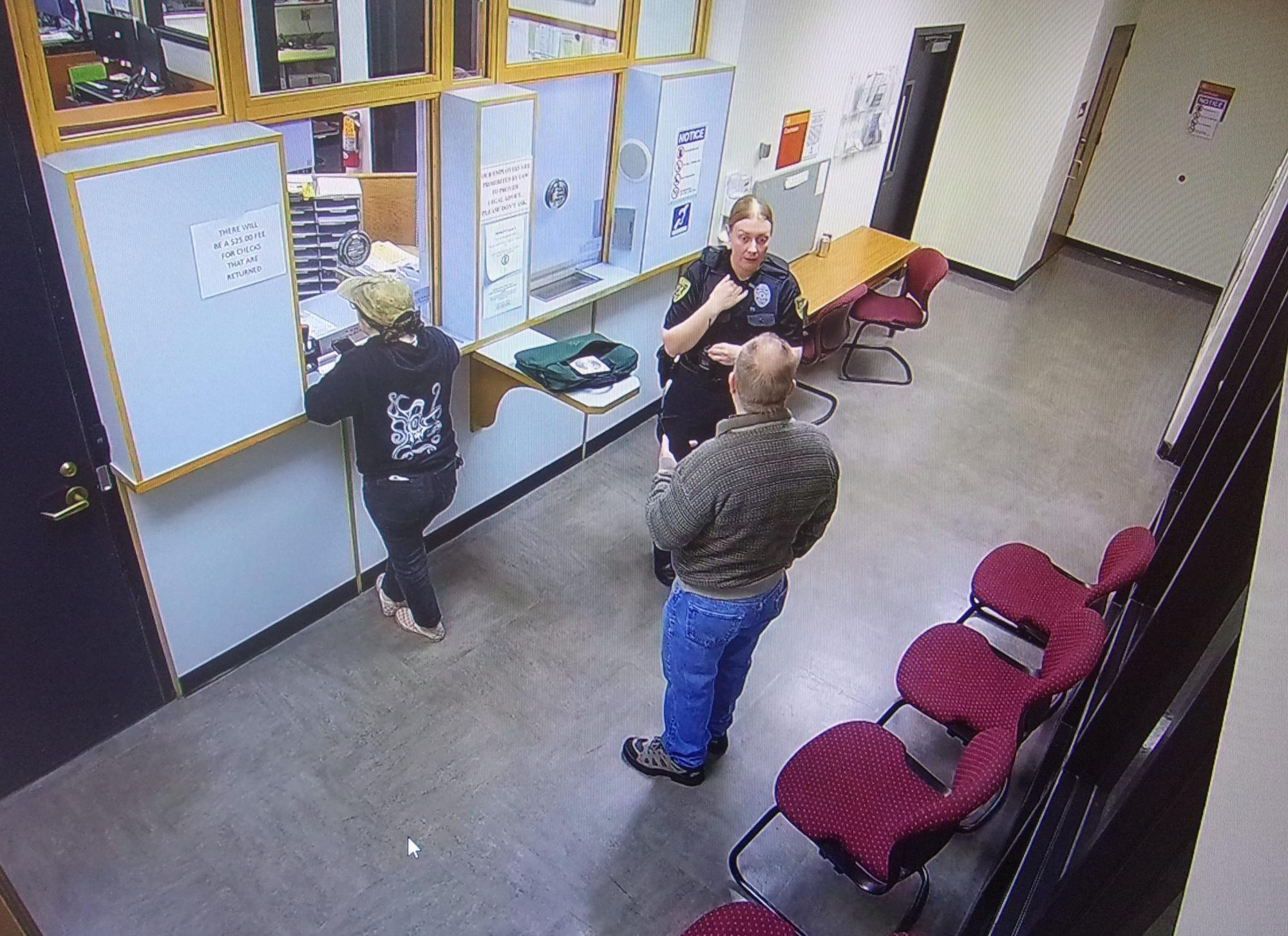
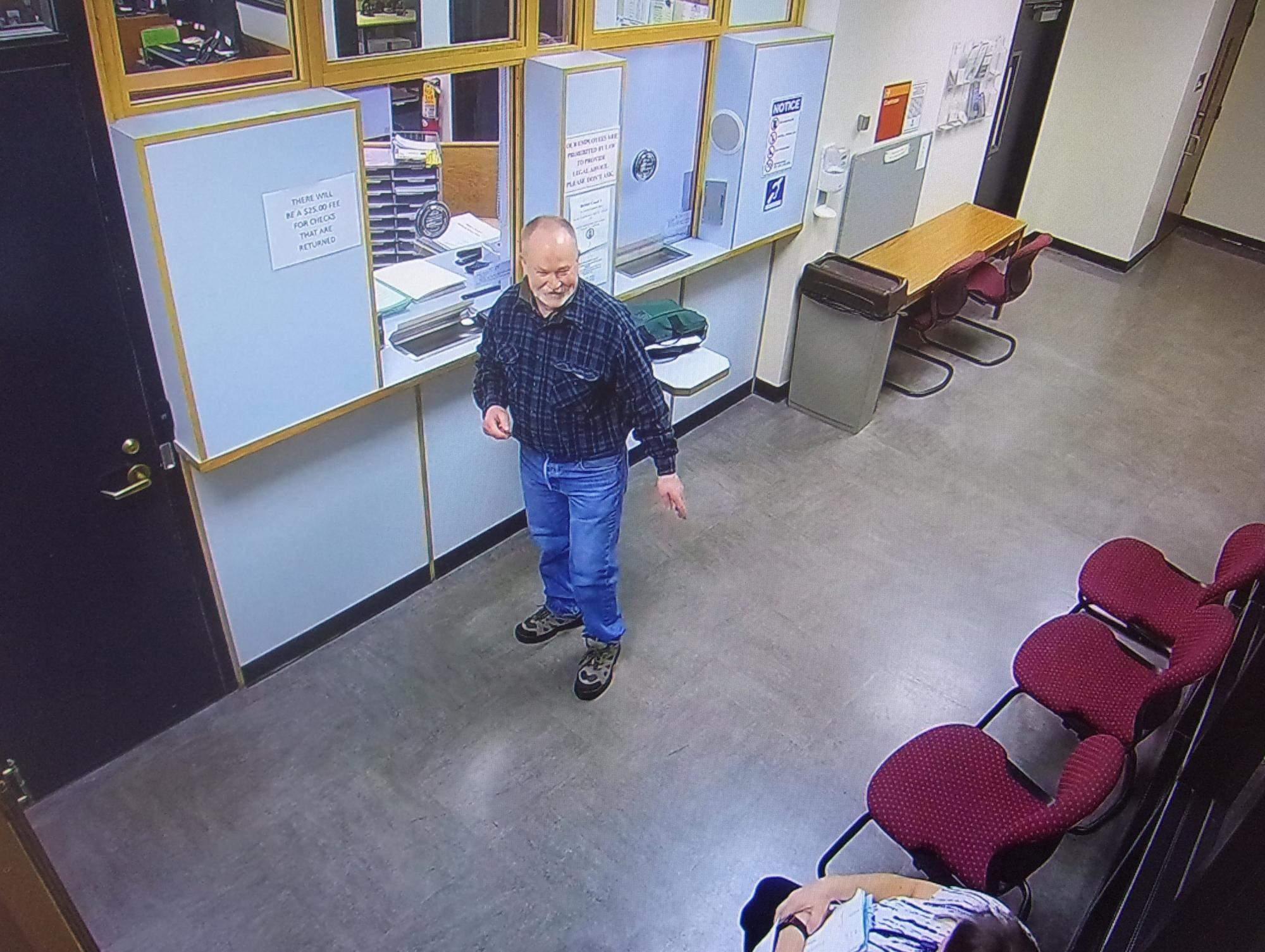
This case, as you remember, was when Collins was simply at The District Court Lobby Window and doing some general inquiring into the conduct of Govt including requesting and receiving records and grievances etc regarding the contents of those records then this Chaney, went clear into the courtroom to have the (female) guard go and confront Collins just because Chaney was proven to be clearly uneducated regarding The Court’s own public records and then when proven wrong, had then retaliated by alerting Security to stop Collins from speaking and embarrassing her further.
Security Services Northwest nor its’ guards appeared in the case and are in Default.
Read for yourselves.
Quotes From Dismissal
Granted Leave To Amend Without Asking, Only Dismissed Due To Immunity
Collins v. Clallam County et al., No. 3:26-cv-05576, ECF No. 19 (W.D. Wash. Oct. 16, 2026)
The Court, Plaintiff sufficiently alleged Chaney’s actions set into motion unconstitutional retaliation against Plaintiff’s right to verbally challenge government officials, qualified immunity bars Plaintiff’s claims against Chaney.
As to Chaney, the Court disagrees with County Defendants. Plaintiff states Chaney, “incensed by [his] calm, constitutionally protected speech and inquiries, fabricated a false allegation of ‘cussing and yelling’ to summon a private security guard.” (Id. at 3) (emphasis omitted). Chaney did not directly participate in any constitutional deprivation by simply summoning a security guard. Whether Chaney set into “motion a series of acts by others which the actor knows or reasonably should know would cause others to inflict the constitutional injury” is a closer call. See Johnson, 588 F.2d at 743–744. Chaney may have summoned Schenck to help resolve any misunderstanding between Plaintiff and Mellott regarding Plaintiff’s questions. It is also possible Chaney reasonably misunderstood the conversation between Plaintiff and Mellott to be one in which Plaintiff created a disturbance or safety risk, which would lawfully merit security intervention. Still possible, Chaney may have summoned Schenck to remove Plaintiff from this courthouse because of the content of his speech. As the Court walks through in its below analysis, removing someone from a courthouse because of their constitutionally protected speech inflicts constitutional injury.
At this motion to dismiss stage, the Court must resolve all reasonable inferences in Plaintiff’s favor. Thus, Plaintiff has put forth sufficient facts demonstrating Chaney set into motion Schenck’s actions, knowing or reasonably knowing Schenck’s actions would violate Plaintiff’s constitutional rights.
b. Protected activity. Plaintiff has also put forth sufficient facts in his complaint that he was engaging in protected First Amendment activity.
Further, while there is a First Amendment right to inspect and copy public records, the right does not guarantee immediate and unlimited access to those records. See In re Copley Press, Inc., 518 F.3d 1022, 1028–1029 (9th Cir. 2008); Pullman v. Schwarzenegger, 2011 WL 6396631, slip op. at *5 (S.D. Cal. 2011).
Generally, there is a First Amendment protected right to challenge government officials under the right to petition the government to redress grievances. See Borough of Duryea, 564 U.S. at 388 (“the right to petition is generally concerned with expression directed to the government seeking redress of a grievance” and “allows citizens to express their ideas, hopes, and concerns to their government and their elected representatives”).
Taking Plaintiff’s factual allegations as true and drawing all reasonable inferences in his favor, his persistent questions regarding the CD could be viewed as expressing concerns to the government and are thus protected activity.
Omitting Citations…
But here, Plaintiff states he did not create any disturbance, so even if a policy existed permitting law enforcement to get involved when there was a disturbance in the courthouse, it would be inapplicable based on Plaintiff’s allegations.
Plaintiff has sufficiently alleged he was engaging in his right to express concerns to the government, which falls under the First Amendment right to petition.
c. Adverse action.
Next, Plaintiff has identified an adverse action that would “chill or silence a person of ordinary firmness from future First Amendment activities”: removal from the courthouse and threatening to call “the deputies.” See Blair, 608 F.3d at 543; Dkt. No. 4 at 3, 5. Being escorted outside of the courthouse and banned for a day is enough to chill someone from exercising their First Amendment right. Moreover, “the mere threat of harm can be an adverse action, regardless of whether it is carried out because the threat itself can have a chilling effect.”
Plaintiff has sufficiently alleged he suffered an adverse action as removal from the courthouse for one day is enough to chill someone of ordinary firmness from exercising their First Amendment rights.
d. Substantial causal relationship between the constitutionally protected activity and the adverse action.
Plaintiff has also met his burden at the motion to dismiss stage to allege “there was a substantial causal relationship between the constitutionally protected activity and the adverse action.” See Blair, 608 F.3d at 543. Plaintiff states Chaney summoned Schenck “disliking the content of [Plaintiff’s] inquiries.” (Dkt. No. 4 at 10.) Case 3:26-cv-05576-DGE Document 19 Filed 10/16/26 Page 12 of 22
*What this (good) judge is saying is, NO evidence exists regarding any “disruption” and this record clerk, this, Chaney, and Guards, also had NO right to take unilateral action much less then hurl Threats and Defamation of which, are all, crystal clear, sound familiar???
October 30, 2026 5:42am